
If you thought German fashion started and ended with adidas and Birkenstocks, think again.
Germany’s fashion scene is far more eclectic than you might expect, spanning Jil Sander’s almost meditative minimalism and Ottolinger’s gloriously deconstructed, post-apocalyptic aesthetic. These contemporary labels show that German style isn’t one single look; it’s a fascinating mix of restraint, rebellion, craftsmanship and innovation.
Of course, traditional German fashion has evolved from practical rural clothing, such as the dirndl and lederhosen, throughout the 20th and 21st centuries, gradually embracing a more contemporary aesthetic shaped by the Bauhaus movemen and the influence of post-war subcultures (like Berlin’s distinctive streetwear and night club scene).
Today, German fashion brands reflect an interesting balance between tradition and modernity, combining cultural heritage with minimalist design and experimental, avant-garde influences. Below, 31 German fashion brands worth knowing.
Founded by Jil Sander in 1968, the label became a blueprint for intellectual minimalism through immaculate tailoring, restrained palettes and luxurious fabrics, and its new creative chapter under Simone Bellotti is one to watch.
Founded in 2015 by Swiss designers Christa Bösch and Cosima Gadient, Berlin-based Ottolinger treats garments almost like experimental art, with scorched-looking fabrics, exposed seams, warped tailoring and rubberised finishes that feel closer to underground clubwear or dystopian sci-fi than traditional luxury.
Originally established in Metzingen in 1924, Hugo Boss has evolved into a global fashion business whose BOSS line is known for sharp suiting, streamlined outerwear and contemporary smart-casual dressing, making it a useful reference point for the modern corporate wardrobe.
With a shoemaking lineage dating to 1774, Birkenstock built its cult following around an anatomically shaped cork-and-latex footbed, turning practical sandals such as the Arizona and Boston clogs into unlikely staples of minimalist wardrobes and high-fashion collaborations.
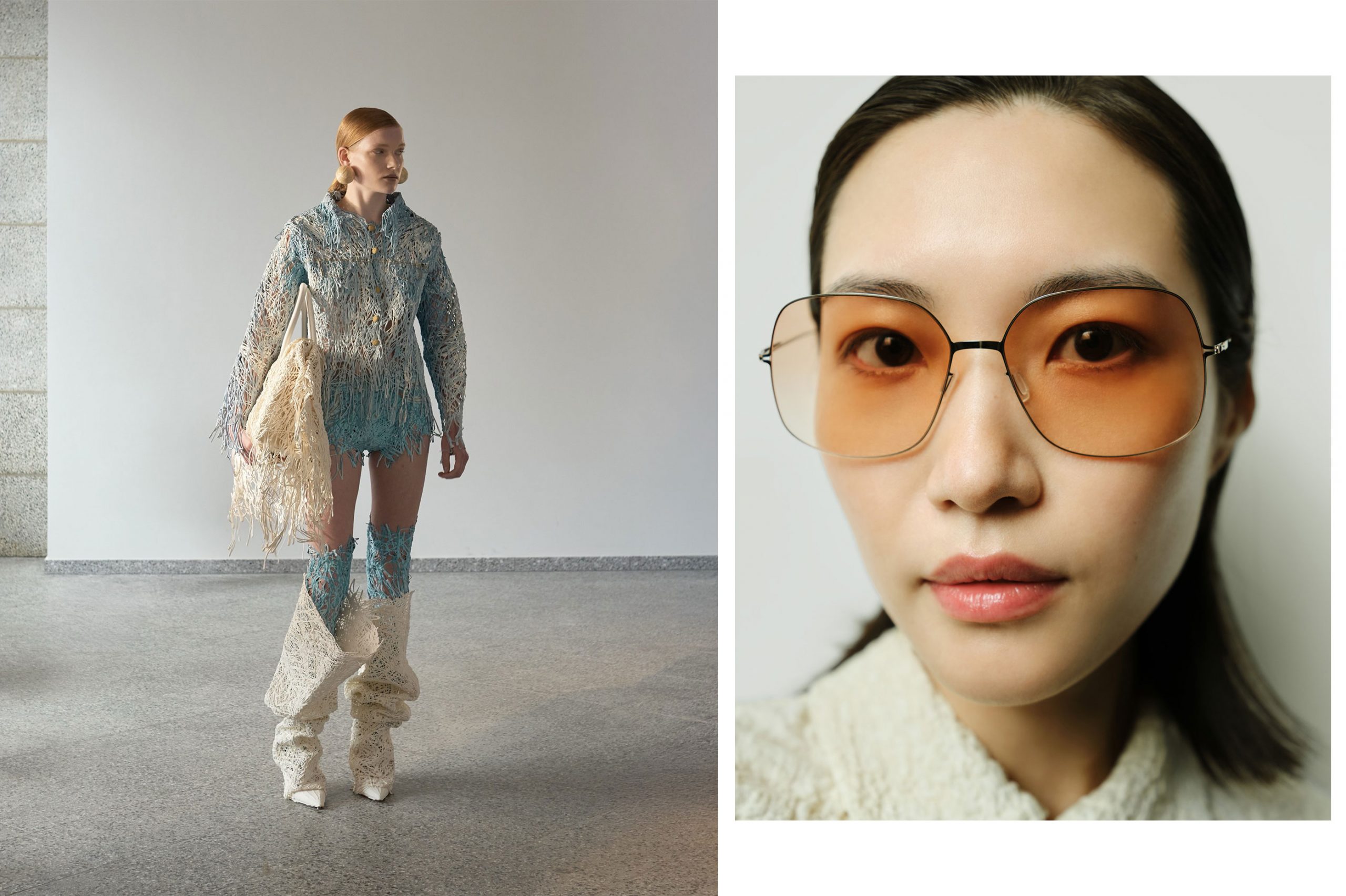
Berlin-based designer Kasia Kucharska explores the more experimental side of contemporary fashion through innovative materials, body-conscious forms and unconventional textile techniques, creating pieces that blur the boundary between clothing, sculpture and wearable art.
Berlin label Haderlump channels the city’s industrial atmosphere through reconstructed garments, unconventional tailoring and a focus on material reuse, creating a deliberately raw aesthetic that feels at home alongside the city’s avant-garde design and underground art scenes.
Founded in 1996, ic! berlin made its name with lightweight stainless-steel eyewear featuring an innovative screwless hinge, a wonderfully niche example of German engineering translating into fashion through precision, comfort and understated design.
Founded by Leyla Piedayesh in 2004, lala Berlin became known for its oversized scarves, expressive knitwear and graphic keffiyeh-inspired patterns, blending cosmopolitan Berlin cool with influences from the designer’s Iranian heritage.
Established in 2015, William Fan combines Chinese and European cultural references with precise tailoring, fluid layering and gender-fluid silhouettes, often giving familiar wardrobe staples an unexpected sense of ceremony through rich textiles and intricate detailing.
Founded in Germany by Adi Dassler, adidas has moved far beyond performance sportswear, with archival icons such as the Samba and Spezial finding new life through terrace culture, music scenes and street-style communities that prize the history behind a classic sneaker.
Born in Munich in 1976 as Michael Cromer Munich, MCM built its identity around Cognac Visetos monogram canvas, brass logo plates and travel-inspired leather goods, later becoming a recognisable fixture of global luxury streetwear and hip-hop culture.
Founded in Berlin by Serhat Işık and Benjamin A. Huseby, GmbH draws on nightlife, migrant identity and queer culture to create a politically charged wardrobe of sculptural tailoring, glossy textures and club-ready silhouettes that challenges the idea of fashion as purely decorative.
Launched in 2009, thom/krom builds its understated identity around monochrome layers, elongated silhouettes and architectural lines, favouring washed blacks, tactile jersey and subtle construction details over obvious logos or seasonal hype.
Aeyde brings a modernist sensibility to everyday luxury through sculptural flats, elegant Mary Janes, refined boots and restrained hardware, balancing classic European shoe design with a distinctly contemporary, minimalist finish.
Founded in the late 1970s by Margaretha and Wolfgang Ley, Escada made its mark with confident femininity, saturated colour, intricate prints and polished tailoring, offering a glamorous counterpoint to Germany’s better-known reputation for pared-back minimalism.
Bogner helped blur the line between technical ski clothing and luxury fashion, and was founded by former Olympic skier Willy Bogner and his wife Maria in 1932. They specialise in fitted ski suits, performance fabrics and a kind of sport-meets-glamour aesthetic.
Known for its equestrian-inspired horseshoe emblem and polished leather accessories, Munich-based Aigner combines traditional leathercraft with a heritage-luxury aesthetic, making its structured handbags, belts and small leather goods particularly recognisable to fans of classic European accessories.
The label ioannes offers a more experimental contemporary-fashion perspective. It’s headed by German designer Johannes Boehl-Cronau and its appeal lies in its distinctive silhouettes and a considered balance between wearable wardrobe pieces and fashion-forward design rather than conventional, logo-driven luxury.
Originally a Berlin-based contemporary culture magazine founded by Joerg Koch in 2001, 032c expanded into fashion with a provocative mix of graphic streetwear, industrial references and conceptual design, sitting at the intersection of art publishing, internet culture and the city’s underground scene.
g-lab is all about technical outerwear that combines weather protection with a polished urban aesthetic, making it a useful reference for the growing crossover between performance clothing and everyday luxury.
Founded in Munich in 2009, A Kind of Guise is known for producing considered garments in Germany and neighbouring European countries. They combine relaxed tailoring, tactile fabrics and subtle workwear references with conspicuous branding.
NO/FAITH STUDIOS has built a following around aggressively oversized denim, distressed finishes and exaggerated proportions, giving familiar streetwear staples a darker, almost post-industrial attitude that resonates with the current appetite for unconventional silhouettes.
The footwear juggernaut PUMA has a rich sporting archive spanning football boots, basketball and motorsport, while cult styles such as the Suede and Speedcat continue to connect its athletic heritage with sneaker culture and contemporary streetwear.
Founded by Errolson Hugh and Michaela Sachenbacher, ACRONYM is a cult name in technical fashion, known for articulated pattern cutting, modular pockets, weather-resistant textiles and ingenious fastening systems that make its garments feel like high-performance equipment designed for urban life.
Founded in Cologne by Claudia Lanius in 1999, LANIUS champions a softer version of contemporary fashion through organic materials, considered production and timeless feminine silhouettes, appealing to anyone who wants a more thoughtful alternative to disposable trend cycles.
sf1og brings an independent, subculture-oriented perspective to contemporary dressing, making it worth exploring for fashion fans interested in emerging labels that sit outside the familiar luxury houses and mainstream streetwear conversation.
UNVAIN leans into a darker, contemporary visual language, appealing to those drawn to understated streetwear, considered proportions and a more alternative approach to everyday dressing than traditional sportswear brands typically offer.
Nowrubi is one to explore for a glimpse into the independent fashion scene, where distinctive styling, experimental design choices and a smaller-scale creative identity offer an alternative to the recognisable codes of established luxury labels.
Founded in Berlin in 2003, MYKITA combines contemporary eyewear design with meticulous engineering, using lightweight materials, distinctive silhouettes and advanced construction techniques to turn glasses into design objects rather than simply functional accessories.
Designer Gerrit Jacob brings an intentionally irreverent energy to contemporary fashion, playing with exaggerated proportions, saturated colours and playful accessories to challenge the seriousness often associated with luxury design.
Founded in Cologne in 2007, ARMEDANGELS approaches contemporary essentials through a sustainability-led model, focusing on responsible materials, improved supply-chain practices and timeless wardrobe staples for shoppers who want their everyday T-shirts, denim and knitwear to reflect more considered purchasing habits.
Looking for more European fashion brands to add to your shop list? We’ve curated a list of the Spanish brands that deserve a spot in your wardrobe, and the French It-girl brands we can’t get enough of.


