
Fashion has found itself in parliament before, but not usually with quite this much drama. This week, France passed landmark legislation designed to crack down on ultra-fast fashion – and while, unsurprisingly, headlines quick to declare that France had banned fast fashion, what they’ve actually done is something arguably more interesting. France has become the first major European country to seriously legislate against the business model that’s made brands like Shein and Temu impossible to compete with.
It’s a fairly bold move from a country that has long treated fashion as both industry and cultural heritage. And while the bill still has a few regulatory hurdles to clear before every measure can take effect, it signals something bigger: the era of ultra-fast fashion operating without consequence may be coming to an end.
So, here’s what actually happened.
Wait, what passed?
After more than two years of debate, France’s parliament has approved an anti-fast fashion bill aimed squarely at the biggest players in the ultra-fast fashion space.
The legislation now places companies under scrutiny based on just how much clothing they produce and how disposable those clothes are. In other words: how relentlessly newness is manufactured.
Politicians have been fairly open about who they’re talking about. Shein, Temu and AliExpress have all been cited as the kinds of platforms the legislation is intended to target.
Interestingly, that has also become one of the bill’s biggest criticisms. Some environmental groups and politicians argue it doesn’t go nearly far enough, pointing out that European fast fashion giants are hardly poster children for slow fashion either.
So… it’s not a ban?
Nope. You can still shop these brands, and they’ll still be able to sell in France. Instead, the legislation introduces a series of measures designed to make the ultra-fast fashion model less profitable – and hopefully less appealing.
What actually changes?
The biggest headline is an environmental levy on clothing produced by qualifying ultra-fast fashion companies. That fee will gradually increase over the coming years and could reach €20 per garment by 2030, although it can’t exceed half of the item’s pre-tax price.
The bill also introduces a ban on advertising for ultra-fast fashion brands – including paid influencer promotions – and requires companies to encourage customers to repair, reuse and recycle their clothes rather than endlessly replacing them.
Some of the money raised through the levy will help fund textile recycling and collection infrastructure, which feels considerably less glamorous than a new capsule collection, but arguably far more useful.
Why now?
France’s lawmakers argue this endless pursuit of novelty has environmental, economic and social consequences that are becoming impossible to ignore.
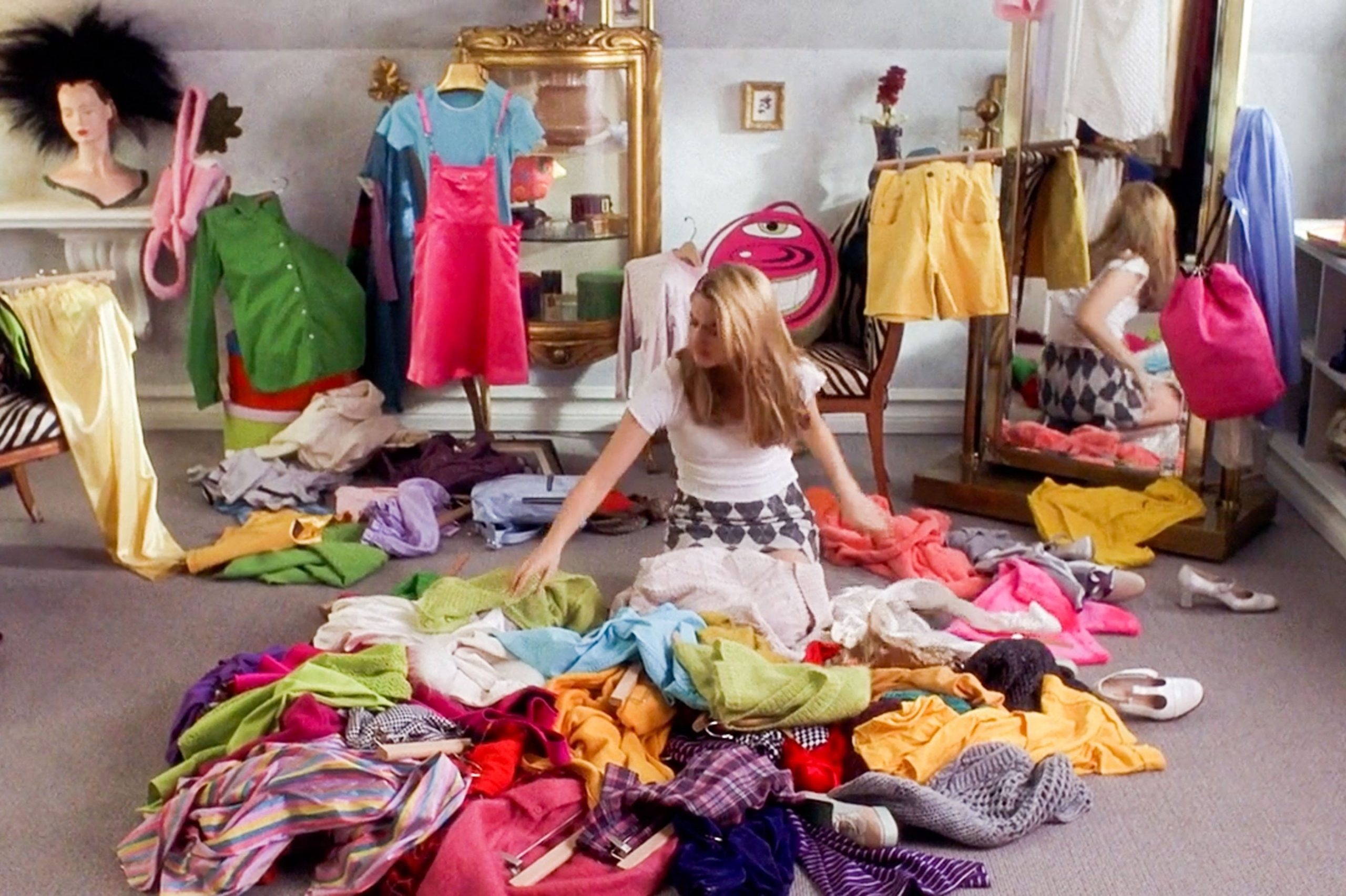
The textile industry is already responsible for around 10% of global greenhouse gas emissions, while mountains of barely worn clothing continue to pile up around the world. At some point, someone was always going to ask whether buying a dress for the price of lunch – and wearing it once – was really sustainable.
France has simply become the first country to answer with legislation.
Is this the beginning of the end for ultra-fast fashion?
Probably not. Shein and Temu aren’t disappearing overnight, and neither are our collective shopping habits. The advertising restrictions may even face challenges under European Union law before they’re fully implemented. But culturally, it feels like a turning point.
For years, conversations around sustainability have focused almost entirely on consumers: buy less, shop better, repeat outfits. This legislation flips the conversation back onto the companies themselves, asking whether business models built on limitless production should bear more responsibility.
Will other countries ban or penalise fast fashion too?
Possibly – but it’s unlikely to happen overnight.
France is the first country to pass legislation specifically targeting ultra-fast fashion, and many experts see it as a potential blueprint for other governments. Across Europe, regulators are already introducing tougher sustainability laws, including new rules that require brands to make products more durable, recyclable and transparent, while cracking down on greenwashing and textile waste.
Countries including the UK and Australia haven’t announced plans for similar legislation, but pressure is mounting. Governments are increasingly exploring measures such as producer responsibility schemes, stricter sustainability reporting and incentives to repair and recycle clothing.
Looking for ways to make a difference? Switch to shopping at one of our favourite sustainable fashion brands, or pick up some of the RUSSH Editors’ tips for living more sustainably.
